For a decade now, Flutterwave has built the infrastructure that makes it easier for businesses to move money across Africa. We connect banks, cards, mobile money networks and local payment systems through a single platform, allowing businesses to accept payments and make payouts across multiple markets without having to build separate integrations for every country. The next evolution of payments is already underway.
Stablecoins are becoming part of the global financial system. Businesses increasingly want faster settlement, lower costs, greater transparency and access to digital dollar liquidity. The opportunity is to bring these capabilities into the payment infrastructure businesses already rely on every day. That is exactly what we are building at Flutterwave.
Today, we announce a strategic investment from Circle Ventures and the addition of USDC settlement across our platform. This builds on our broader stablecoin strategy, which is designed to give businesses faster, more efficient ways to move money across borders while keeping the experience simple, compliant and reliable.
Why USDC matters
USDC has become one of the world’s most widely used regulated digital dollars, supporting institutional settlement, global liquidity and international commerce.
By integrating USDC settlement directly into Flutterwave, businesses can collect payments locally and settle in USDC when it makes sense for their operations. This reduces settlement delays, extends payments beyond traditional banking hours and provides additional flexibility for treasury management and cross-border transactions.
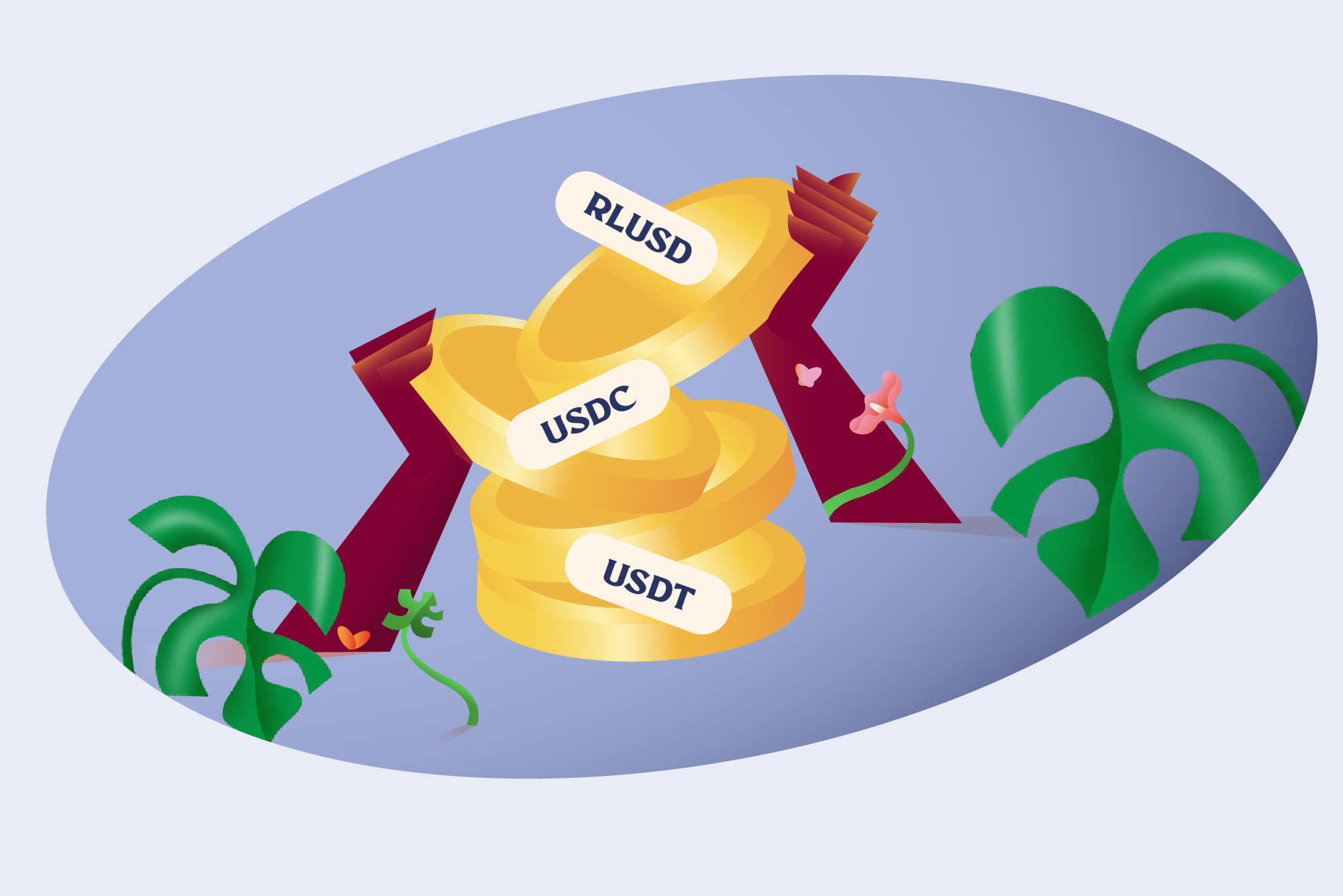
For businesses already building around USDC, Flutterwave becomes a direct gateway into African markets. For businesses adopting RLUSD through our Ripple partnership, the same infrastructure delivers enterprise-grade settlement with a seamless customer experience.
The future is multi-rail
Cross-border payments have never depended on a single system. Transactions usually involve banks, foreign exchange providers, compliance checks, local payout networks, infrastructure and liquidity partners. Stablecoins are becoming another important layer within that ecosystem, but they work best when connected to the broader financial infrastructure businesses already use.
That is why Flutterwave is building a multi-rail payments platform that brings together fiat payments, bank transfers, cards, mobile money, stablecoins and blockchain networks into one seamless experience. Behind the scenes, we orchestrate the infrastructure. Customers simply choose the outcome they want: faster settlement, global dollar liquidity, local payouts or cross-border collections.
Building modern payments infrastructure means recognising that businesses have different settlement needs. A global marketplace, a remittance company, an exporter and a multinational treasury team may all have different preferences for how money moves. That is why our strategy is multi-rail.
Our strategic partnership with Ripple remains central to that strategy. RLUSD will serve as the default stablecoin across Flutterwave’s stablecoin products, supported by Ripple Payments and the XRP Ledger to power enterprise-grade settlement and cross-border money movement.
Alongside RLUSD, we are expanding support for trusted stablecoins like USDC. Many businesses already hold, settle or manage treasury operations in USDC. Supporting it allows those customers to connect seamlessly to Flutterwave while continuing to use the digital assets that best fit their operations.
Building the next generation of African payments
Africa’s digital economy continues to expand, and the financial infrastructure supporting it must evolve alongside it. Over the past decade, Flutterwave has processed more than one billion transactions worth over $50 billion by connecting fragmented payment systems across the continent. The next decade will require infrastructure that connects African businesses to global liquidity with greater speed, flexibility and reliability.
Our strategic investment from Circle Ventures strengthens that vision by expanding the settlement options available on our platform. At the same time, our partnership with Ripple and RLUSD remains a significant part of our stablecoin strategy, providing the default stablecoin experience that we will continue to prioritise as our products roll out globally.
We believe the future of payments will not be built on a single rail or a single asset. It will be built on infrastructure that intelligently brings the best rails together while giving businesses the freedom to choose what works best for them.
That is the future Flutterwave is building: connecting Africa to the world’s financial system through infrastructure that is faster, programmable, compliant and ready for the next generation of global commerce.
Follow what we’re building here.